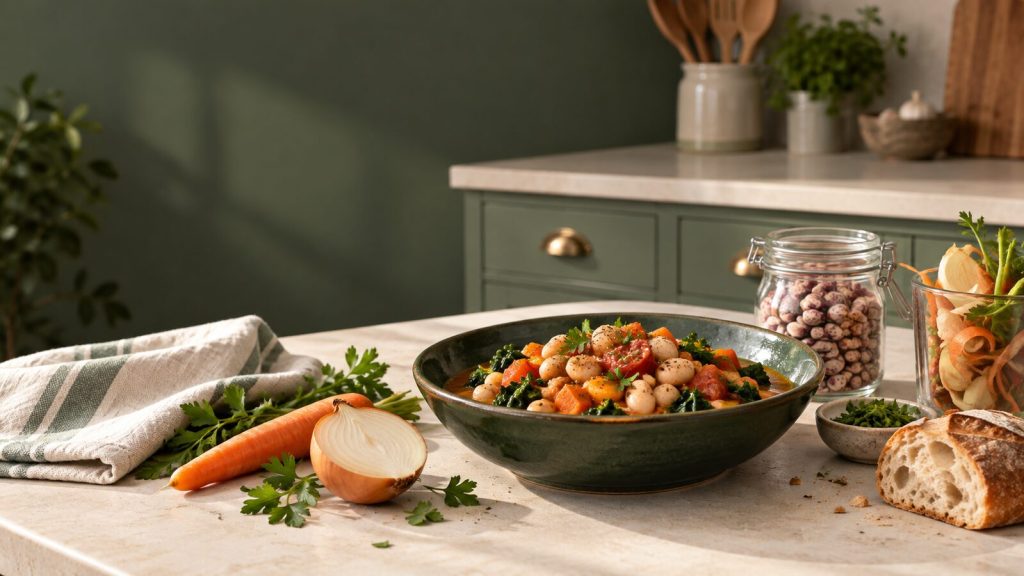
Eat Well for Less
How to reduce food waste and make ingredients go further.
Practical ways to spend less, rescue useful ingredients and turn what you already have into food worth looking forward to.
I have always liked making money and ingredients go a little further. My dad would ask for a small discount even when he could comfortably afford the full price. As a teenager I found it embarrassing, but his explanation stayed with me: a penny saved is a penny available for something else.
That does not mean buying the cheapest food or turning every meal into a compromise. For me, it means noticing what is already in the kitchen, wasting less of it and spending where the difference is genuinely worth tasting. These are habits rather than strict rules, and even using one or two of them can make a weekly shop work harder.
Shop your kitchen first.
Before writing a shopping list, look properly through the fridge, freezer and cupboards. Start with the ingredients that need using soon, then choose one or two meals that can bring them together. A soft pepper, half an onion and the last spoonful of yoghurt may not look like dinner individually, but they can become the beginning of a curry, soup, pasta sauce or dressing.
- Keep an open “use first” container or shelf in the fridge.
- Check cupboards before buying another packet or tin.
- Plan flexible meals rather than seven recipes requiring seven separate shops.
- Compare the price per 100g, not simply the price on the label.
Store food so it lasts.
The freezer is one of the best money-saving tools in the kitchen. Freeze food while it is still good rather than waiting until you are no longer sure about it. Portion leftovers before freezing, label them clearly and keep smaller quantities of useful ingredients ready for future meals.
- Chop spare herbs and freeze them for cooked dishes.
- Freeze grated cheese, bread, cooked rice and sauces in useful portions.
- Slice or portion large packs before freezing so you only defrost what you need.
- Keep a dated freezer list on your phone or inside a cupboard door.
Something from almost nothing.
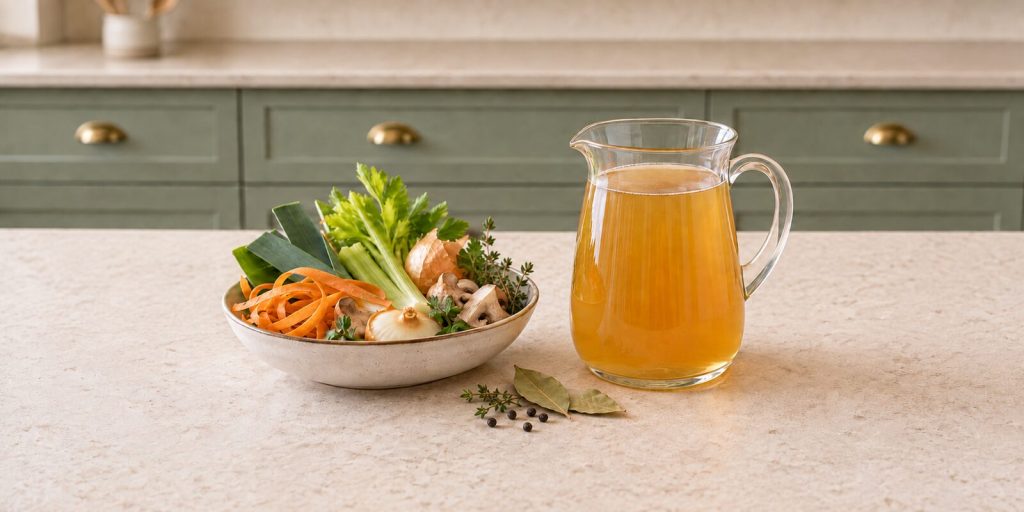
Keep a container in the freezer for useful onion ends, carrot peelings, celery leaves, mushroom stalks, leek greens and herb stems. Once full, they become homemade vegetable stock for little more than the cost of cooking it. See the full Homemade vegetable stock from kitchen scraps recipe for the method, storage guidance and optional toasted spices.
Save the flavour.
Some of the most useful ingredients are normally poured away. Oil from anchovies, artichokes or sun-dried tomatoes can enrich mayonnaise, dressings and marinades. A little Kalamata olive brine brings saltiness and acidity to a dressing. Parmesan rinds can simmer in soups, while herb stalks add flavour to stocks and sauces.
Make the next meal feel different.
Leftovers become much more appealing when their shape, texture or accompaniments change. Yesterday’s chilli can become pitta fillings or crisp tortilla cups. A handful of roasted vegetables can bulk out a salad, omelette or soup. Cooked chicken can move into a packed lunch with artichokes and leaves rather than returning as the same dinner twice.
- Chilli-stuffed mini pittas with sour cream and cheddar
- Vegetarian chilli tortilla cups with rice
- Pan-fried tofu, green bean and sweet potato salad
Know what not to save.
Reducing waste never means taking chances with food safety. Discard anything spoiled, slimy, mouldy or suspicious. Scraps must still be fresh enough that you would happily have eaten the usable part. For stock, use mild savoury trimmings and avoid loading the pot with bitter greens, too many brassicas or dirty peelings.
Small savings add up.
Ready-grated cheese is convenient, but grating a block takes very little time and can give you better value and more choice. The same principle applies to many prepared ingredients. Buy in bulk only when the price is genuinely better and you know the food will be used, stored safely or shared. A bargain thrown away is still expensive.
Catherine’s tip
Do not try to change everything at once. Choose one habit—such as a “use first” shelf, a scraps box or one freezer-clearance dinner each week—and let it become automatic before adding another.

